
Essential Garage Conversion Building Regulations Guide
Transforming a garage into a livable space is a fantastic way to add value and functionality to your home. Whether you want a new bedroom, office, or playroom, converting your garage can unlock your home's full potential. However, before you start swinging hammers, it’s important to understand the building regulations that apply to garage conversions. These rules ensure your new space is safe, comfortable, and legally compliant.
In this guide, I’ll walk you through the essential points you need to know about garage conversion building regulations. I’ll keep things simple and practical, so you can feel confident about your project every step of the way.
Understanding the Conversion Building Regulations Guide
When you convert a garage, you’re essentially changing its use from a storage or parking area to a living space. This change means your project must meet certain standards set by local authorities. These standards cover everything from structural safety to fire protection and ventilation.
Here are the key areas covered by the conversion building regulations guide:
Structural integrity: Your garage walls, floors, and roof must be strong enough to support the new use.
Fire safety: Proper fire-resistant materials and escape routes are essential.
Insulation and ventilation: To make the space comfortable year-round, you’ll need adequate insulation and fresh air circulation.
Drainage and damp proofing: Preventing moisture problems is crucial for a healthy living environment.
Electrical and plumbing work: Any new installations must comply with safety standards.
Following these rules not only keeps you safe but also helps avoid costly problems or legal issues down the line.
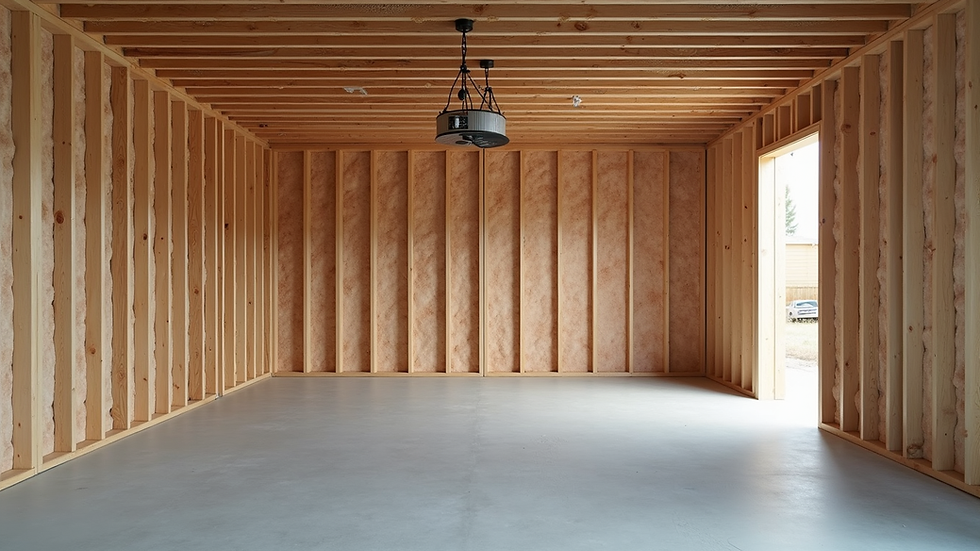
Can I convert a garage into a bedroom in the UK?
Many homeowners wonder if they can turn their garage into a bedroom. The good news is yes, you can, but there are some important considerations.
First, the space must meet minimum size requirements to be considered a bedroom. This usually means having enough room for a bed and some furniture, plus adequate head height. You’ll also need to ensure the room has proper ventilation and natural light, typically through a window.
Fire safety is a big factor here. The garage door might need to be replaced with a fire-resistant wall or door, and you may need to install smoke alarms. Sound insulation might also be necessary if the garage shares walls with other rooms.
Finally, check if your local council requires you to apply for planning permission or building control approval. In many cases, garage conversions fall under permitted development rights, but it’s always best to confirm.

Key Steps to Comply with Garage Conversion Building Regulations
To make sure your garage conversion ticks all the boxes, here’s a practical checklist you can follow:
Consult your local building control department
Before starting, speak with your local authority. They can advise on what permissions you need and any specific local rules.
Hire a qualified professional
An architect or builder experienced in garage conversions can help design a compliant plan and manage inspections.
Check structural soundness
Have a structural engineer assess the garage. You might need to reinforce walls or floors.
Upgrade insulation
Garages are often poorly insulated. Add insulation to walls, floors, and ceilings to meet current energy efficiency standards.
Install fire safety measures
Use fire-resistant materials and ensure there are safe escape routes. Smoke alarms are a must.
Improve ventilation and heating
Add windows or vents for fresh air. Consider extending your home’s heating system or installing electric heaters.
Address damp and drainage
Fit damp proof membranes and ensure proper drainage to avoid moisture issues.
Electrical and plumbing work
Any new wiring or plumbing must be done by certified professionals and inspected.
By following these steps, you’ll create a safe, comfortable space that meets all legal requirements.
Common Mistakes to Avoid During Garage Conversions
Even with the best intentions, some pitfalls can trip up your project. Here are common mistakes to watch out for:
Skipping building control approval
Trying to avoid inspections can lead to fines or having to undo work later.
Ignoring fire safety rules
This is not just about compliance but protecting your family.
Underestimating insulation needs
A cold, damp room won’t be enjoyable or energy efficient.
Poor ventilation
Without fresh air, the room can become stuffy and unhealthy.
Not checking planning permission requirements
Some conversions need permission, especially if you change the external appearance.
Avoiding these errors will save you time, money, and stress.
How Garage Conversion Building Regulations Benefit You
You might wonder why all these rules matter. Beyond legal compliance, following garage conversion building regulations offers real benefits:
Safety: Ensures your new room is structurally sound and fire-safe.
Comfort: Proper insulation and ventilation make the space enjoyable year-round.
Value: A well-done conversion can increase your home’s market value.
Peace of mind: Knowing your project meets standards means no surprises later.
If you want to learn more about the specific garage conversion building regulations that apply, the Planning Portal is a great resource.
Taking the Next Step with Your Garage Conversion
If you’re ready to transform your garage, start by gathering information and talking to professionals. A clear plan that respects building regulations will make the process smoother and more rewarding.
Remember, a garage conversion is an investment in your home’s future. With the right approach, you’ll create a beautiful, functional space that suits your lifestyle and adds lasting value.
Good luck with your project - your dream space is just a few steps away!


Comments