
Navigating Garage Conversion Building Regulations: Your Guide to Conversion Compliance Rules
Transforming a garage into a functional living space is a fantastic way to add value and comfort to your home. But before you start knocking down walls or installing new windows, it’s important to understand the conversion compliance rules that keep your project safe, legal, and stress-free. I’ve walked through this process myself and want to share what I’ve learned to help you navigate the journey smoothly.
Understanding Conversion Compliance Rules: What You Need to Know
When you decide to convert your garage, you’re not just changing the look of your home—you’re altering its structure and use. This means you must follow specific building regulations to ensure the new space is safe, energy-efficient, and comfortable.
Here are some key points about conversion compliance rules:
Structural safety: Your garage walls, floors, and roof may need reinforcement to support the new use.
Fire safety: Fire-resistant materials and proper escape routes are essential.
Insulation and ventilation: To make the space livable, you’ll need adequate insulation and fresh air circulation.
Electrical and plumbing work: Any new installations must meet safety standards.
Windows and doors: These might need to be upgraded for natural light and emergency exits.
Following these rules isn’t just about ticking boxes—it’s about creating a space that’s safe and comfortable for you and your family.

Can I convert a garage into a bedroom in the UK?
If you’re wondering whether you can turn your garage into a bedroom, the answer is generally yes, but with some important considerations. Bedrooms have specific requirements under building regulations, especially regarding fire safety and ventilation.
Here’s what you should keep in mind:
Fire safety: Bedrooms need a safe escape route in case of fire. This usually means having a window of a certain size or a door leading directly outside.
Ventilation: Proper airflow is crucial to prevent damp and maintain air quality.
Heating and insulation: Bedrooms must be warm and well-insulated to meet energy efficiency standards.
Soundproofing: If your garage is near a noisy street or communal area, soundproofing might be necessary.
Before you start, check with your local council or a professional builder to ensure your plans meet all the necessary requirements.

How to Get Planning Permission and Building Control Approval
One of the biggest questions I had was whether I needed planning permission. The good news is that many garage conversions fall under “permitted development,” meaning you might not need formal planning permission. However, you still need to comply with building regulations and get approval from building control.
Here’s a simple step-by-step guide:
Check permitted development rights: Visit your local council’s website or speak to a planning officer to confirm if your project qualifies.
Submit a building notice or full plans application: This is how you notify building control about your project.
Prepare detailed plans: Include structural changes, insulation, ventilation, and fire safety measures.
Schedule inspections: Building control will visit at various stages to ensure compliance.
Receive completion certificate: Once approved, you’ll get a certificate confirming your conversion meets all regulations.
Remember, even if planning permission isn’t required, skipping building control approval can cause problems when selling your home later.
Practical Tips for a Smooth Garage Conversion Process
From my experience, preparation and communication are key to a successful garage conversion. Here are some practical tips to keep your project on track:
Hire experienced professionals: Builders and architects familiar with local regulations can save you time and headaches.
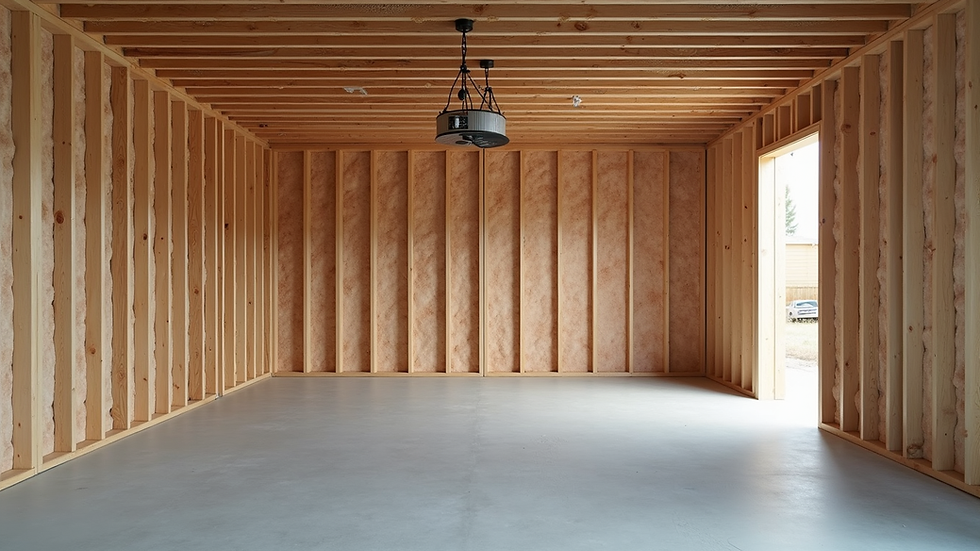
Plan for insulation and damp proofing: Garages often have concrete floors and walls that need treatment to prevent cold and moisture.
Consider natural light: Adding windows or roof lights can transform a dark garage into a bright, welcoming room.
Think about heating and electrical needs: Extending your home’s heating system or installing new outlets will make the space more comfortable.
Keep neighbours informed: Letting neighbours know about your plans can help avoid disputes.
By following these tips, you’ll create a space that feels like a natural extension of your home.
Why Following Garage Conversion Building Regulations Matters
It might be tempting to skip some steps to save time or money, but adhering to garage conversion building regulations is crucial. These rules protect your investment and ensure your new space is safe and comfortable.
Here’s why compliance matters:
Safety: Proper fire escapes, electrical work, and structural integrity keep you and your family safe.
Energy efficiency: Good insulation and ventilation reduce energy bills and improve comfort.
Legal protection: Approved conversions avoid fines and complications when selling your home.
Increased property value: A well-done conversion adds real value to your property.
Taking the time to follow the rules means you can enjoy your new space with peace of mind.
Moving Forward with Confidence
Converting your garage is an exciting way to expand your living space and enhance your home’s value. By understanding and following the conversion compliance rules, you’ll avoid common pitfalls and create a space that’s both beautiful and functional.
If you’re ready to start your project, take the time to research, plan carefully, and work with trusted professionals. Your dream living space is within reach, and with the right approach, the process can be smooth and rewarding.
Remember, every step you take towards compliance is a step towards a safer, more comfortable home. Happy converting!


Comments