
The Ultimate Guide to Home Expansion Planning
Expanding your home is an exciting journey. It means more space, more comfort, and a chance to tailor your living environment to your needs. Whether you want a bigger kitchen, an extra bedroom, or a stylish new lounge, planning your home expansion carefully is key to success. In this guide, I’ll walk you through everything you need to know to make your project smooth and rewarding.
Understanding Home Expansion Planning
Before you start knocking down walls or drawing up plans, it’s important to understand what home expansion planning involves. This process is about more than just adding square footage. It’s about making smart decisions that fit your lifestyle, budget, and the character of your home.
Start by asking yourself some simple questions:
What do I want to achieve with this expansion?
How much space do I realistically need?
What is my budget?
How will this affect the flow and feel of my home?
Answering these will help you set clear goals. For example, if you want a larger kitchen for family gatherings, you might prioritize an open-plan design. If you need a quiet home office, consider a separate, soundproofed space.
Key Steps in Planning
Assess your current space - Look at your home’s layout and identify where expansion is possible.
Check local regulations - Planning permission and building regulations vary, so check with your local council.
Set a budget - Include costs for materials, labor, permits, and unexpected expenses.
Choose the type of extension - Options include rear extensions, side extensions, loft conversions, or garage conversions.
Hire professionals - Architects, builders, and surveyors can help bring your vision to life.
Taking time with these steps will save you headaches later and ensure your project runs smoothly.

How to Approach Home Expansion Planning Effectively
Once you have a clear idea of what you want, it’s time to get practical. Effective home expansion planning means balancing your dreams with reality. Here are some tips to keep you on track:
Think about future needs: Will your family grow? Do you plan to work from home? Planning ahead can save you from costly changes later.
Maximize natural light: Extensions with large windows or skylights can make new spaces feel bright and welcoming.
Consider energy efficiency: Use insulation, double glazing, and energy-efficient heating to keep running costs down.
Match the style: Your extension should blend with your existing home’s look to maintain curb appeal.
Plan for outdoor space: Don’t forget how your extension will affect your garden or driveway.
By focusing on these practical details, you’ll create a space that’s both beautiful and functional.
What is the Cheapest Way to Extend a House?
If budget is a big concern, you’re not alone. Many homeowners want to expand without breaking the bank. Here are some cost-effective ways to extend your home:
Garage Conversions
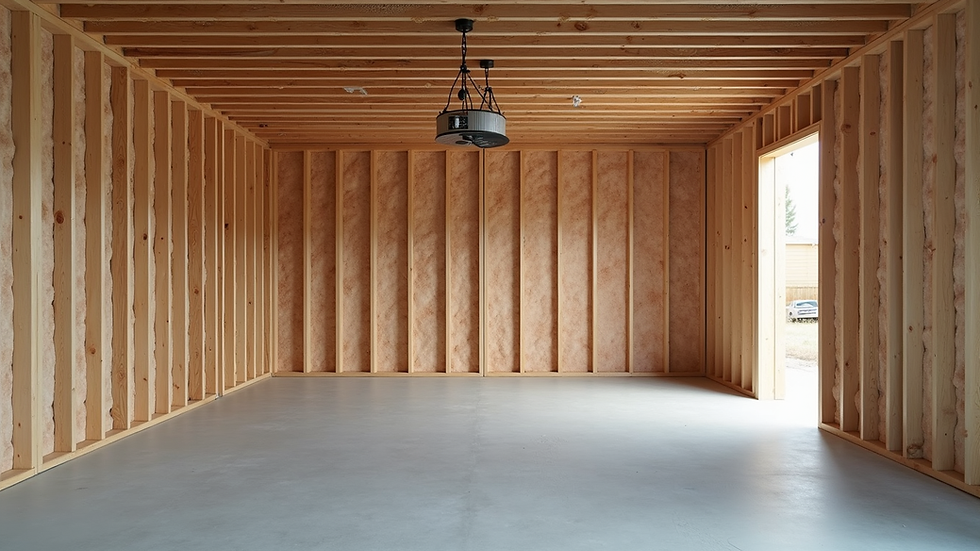
Converting an existing garage into a living space is often the cheapest option. It uses the existing structure, so you avoid foundation and roofing costs. Plus, it’s a great way to add a bedroom, office, or playroom without changing your home’s footprint.
Single-Storey Rear Extensions
These are usually less expensive than two-storey builds. They add space at the back of your home and can open up your kitchen or living area.
Modular or Prefabricated Extensions
These are built off-site and installed quickly. They can be cheaper and faster than traditional builds.
Loft Conversions
If your home has an attic, converting it into a bedroom or study can be cost-effective, especially if the roof structure is simple.
Tips to Save Money
Keep designs simple: Complex shapes and multiple corners increase costs.
Reuse materials: Salvage bricks or timber where possible.
DIY where safe: Painting or landscaping can be done yourself to save labor costs.
Get multiple quotes: Compare builders to find the best price.
Choosing the right method depends on your home’s layout and your needs, but these options offer a good starting point.

Navigating Permissions and Regulations
One of the trickiest parts of home expansion planning is dealing with permissions. In the UK, many extensions require planning permission or must comply with building regulations. Here’s what you need to know:
Planning Permission: This is needed if your extension changes the external appearance or size of your home beyond certain limits. Check with your local council for specific rules.
Permitted Development Rights: Some small extensions fall under these rights and don’t need formal permission, but conditions apply.
Building Regulations: These ensure your extension is safe, energy-efficient, and structurally sound. You’ll need inspections during construction.
To avoid delays:
Submit your applications early.
Provide detailed plans.
Work with professionals who understand local rules.
Getting permissions right protects your investment and keeps your project on track.
Making the Most of Your New Space
Once your extension is built, it’s time to enjoy your new space. Here are some ideas to make the most of it:
Open Plan Living: Combine kitchen, dining, and lounge areas for a spacious feel.
Flexible Rooms: Use sliding doors or partitions to create adaptable spaces.
Storage Solutions: Built-in shelves and cupboards keep your new room tidy.
Decorate Thoughtfully: Choose colors and furniture that complement the rest of your home.
Connect Indoors and Outdoors: French doors or bi-folds can open onto your garden, extending your living area.
Remember, the goal is to create a space that feels like a natural part of your home and suits your lifestyle perfectly.
Taking the Next Step with Confidence
Expanding your home is a big decision, but with careful planning, it can be a rewarding one. Whether you’re converting a garage, adding a rear extension, or creating a loft space, the key is to plan thoroughly and work with trusted professionals.
If you’re ready to explore options for home extensions, start by assessing your needs and budget. Then, reach out to experts who can guide you through design, permissions, and construction. With the right approach, you’ll unlock your home’s full potential and enjoy a space that grows with you.
Good luck with your home expansion journey - your dream space is within reach!


Comments